The Science
The ocean naturally removes enormous quantities of carbon dioxide from the atmosphere, storing it safely for centuries. It does this largely thanks to phytoplankton, microscopic plants that live in the sunlit surface layer of the sea. Like plants on land, phytoplankton use sunlight to convert CO₂ into organic carbon. When phytoplankton sink into the deep ocean, much of that carbon sinks into the deep ocean with them. Oceanographers call this process “the biological pump,” and it is one of the largest natural carbon fluxes on Earth.
Phytoplankton need nutrients to grow, principally nitrogen, phosphorus, and trace metals like iron. In vast stretches of the subtropical ocean, the supply of nitrogen is the limiting factor: there is plenty of sunlight and other nutrients, but not enough biologically usable nitrogen for additional phytoplankton to grow. This is why our method is centered on nitrogen fixation.
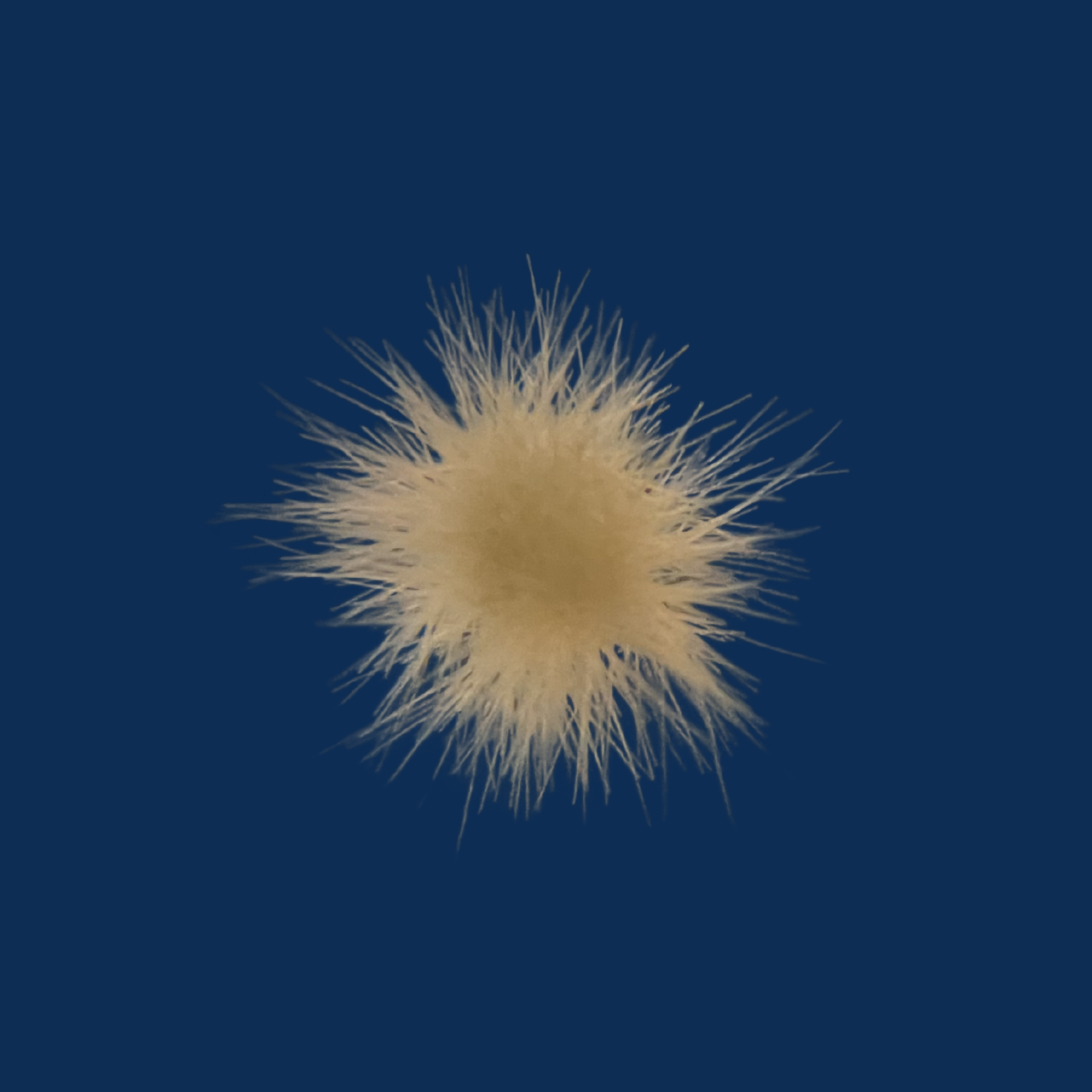
Certain microorganisms, like the diazotrophs pictured on this site, can convert inert nitrogen gas into forms that other organisms can use, much the way legumes fix nitrogen in soil. When diazotrophs are active, they effectively enhance ocean fertility, supplying the fixed nitrogen that allows phytoplankton to bloom and draw down more CO₂. Some research suggests that this primary productivity process is threatened to decline in the South Pacific due to climate change.
Growing Oceans studies whether the natural process of ocean nitrogen fixation can be safely amplified to restore ocean and climate health. Our research is conducted under the auspices of Pacific Island nations whose waters, livelihoods, and traditional knowledge are inseparable from the ocean systems we study.
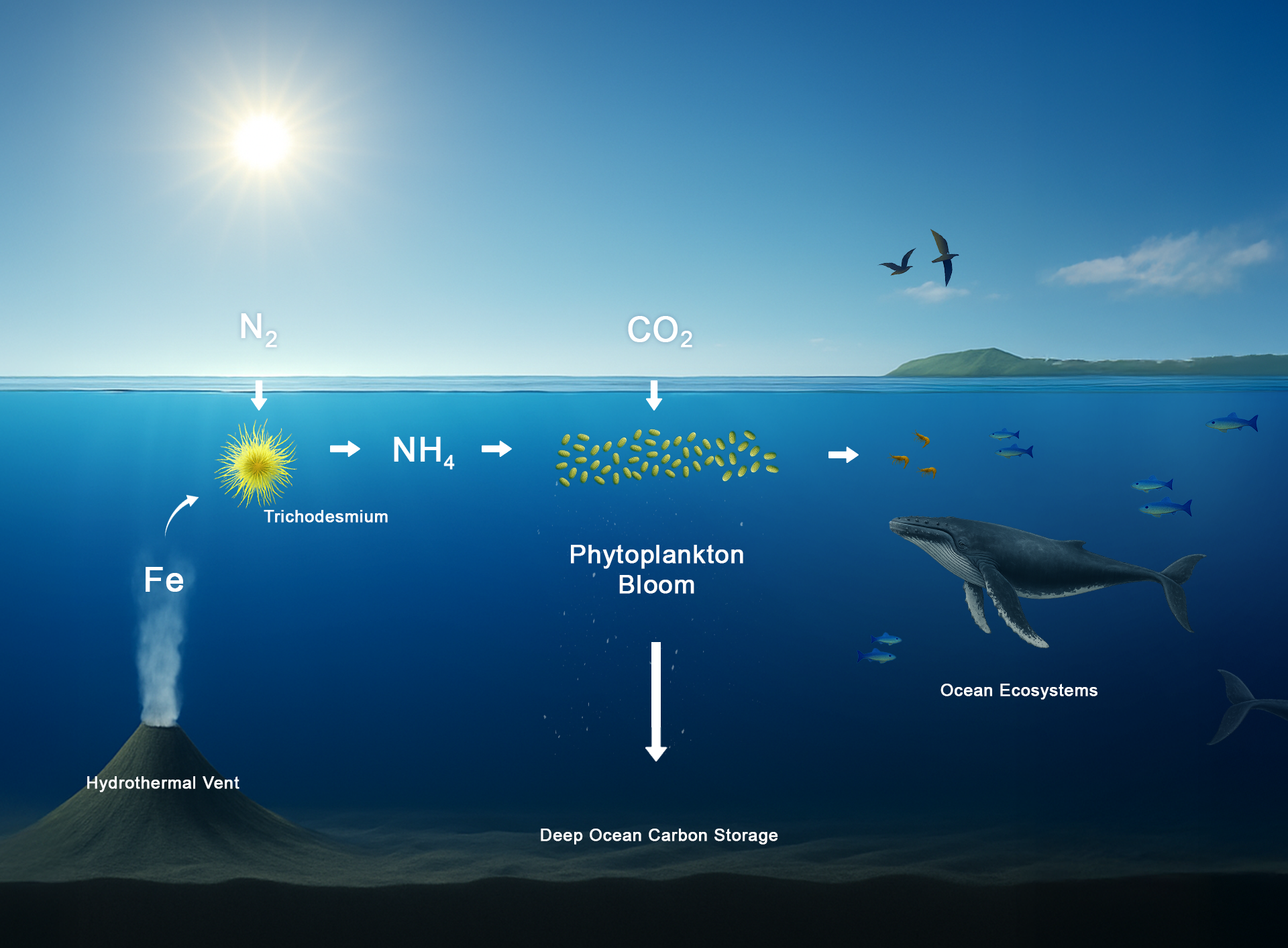
Our work is inspired by observations of natural underwater hydrothermal vents that deliver iron and other nutrients to the surface ocean, fueling intense natural nitrogen fixation events and supporting all sorts of marine life. By studying these natural hotspots in collaboration with local researchers, we can learn how nutrient inputs affect diazotroph communities, phytoplankton growth, and ultimately carbon export to depth.
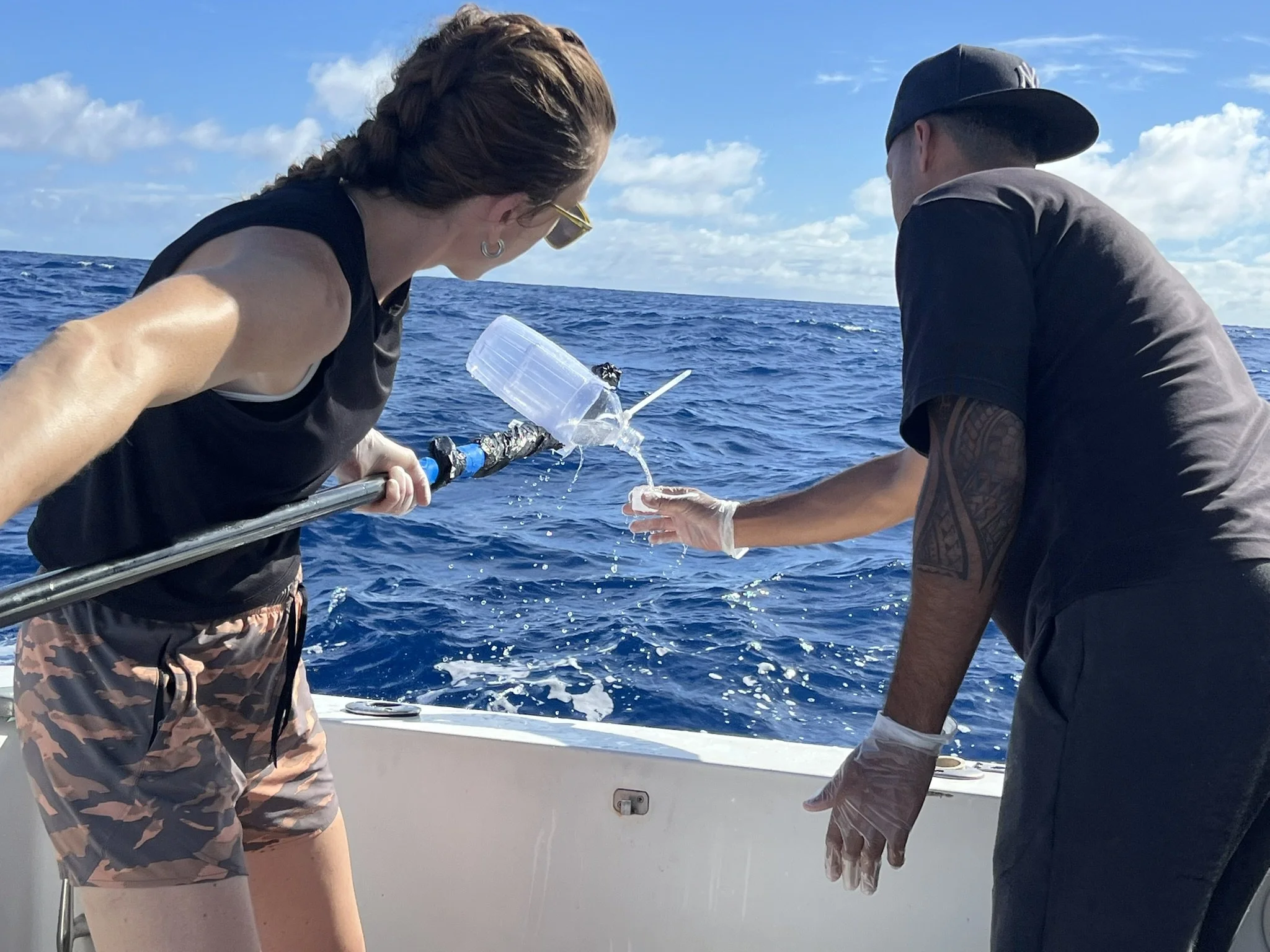
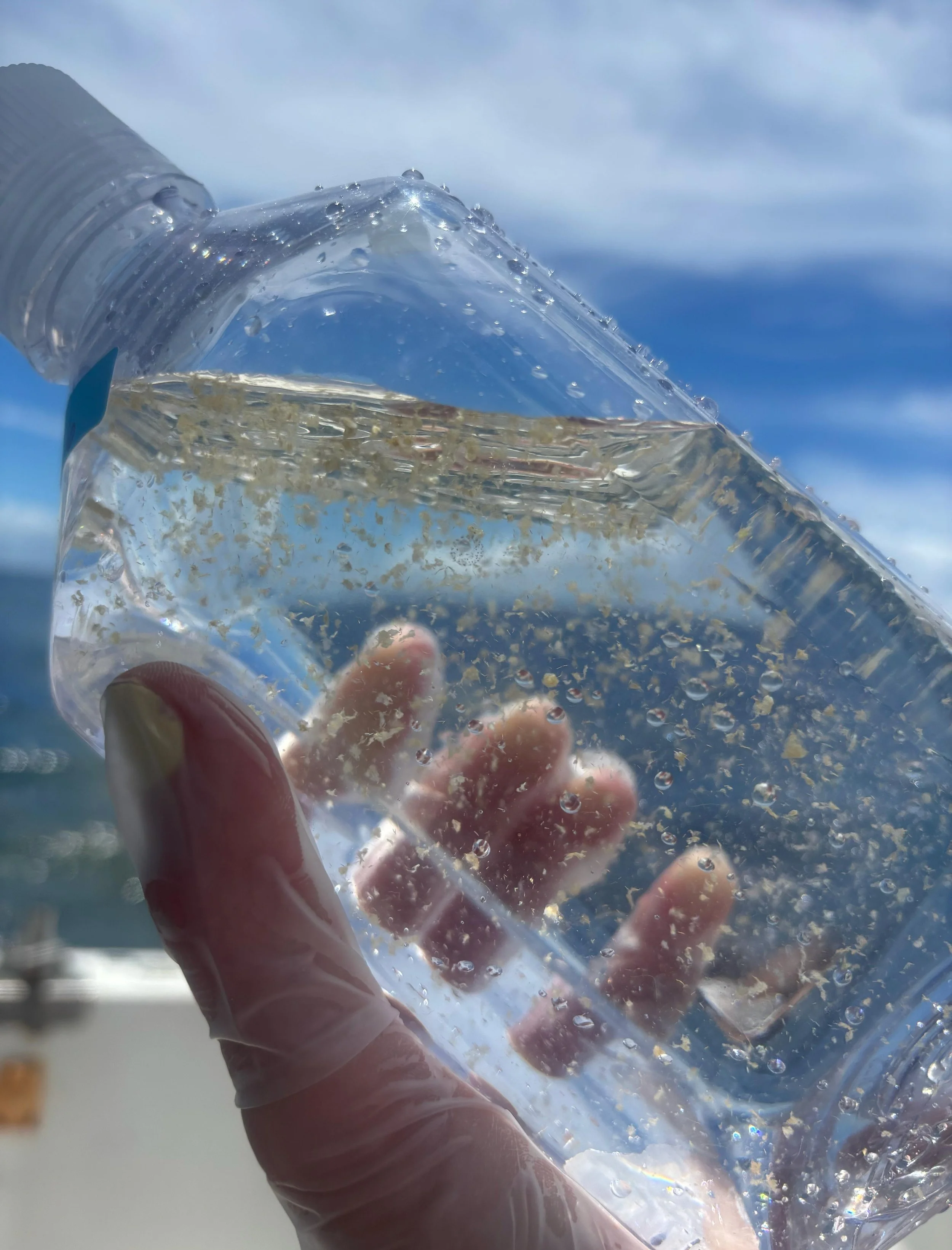
The underlying chemistry is elegant. Phytoplankton incorporate carbon and nitrogen in a nearly fixed ratio: for each atom of fixed nitrogen they take up, they take up roughly 7 atoms of carbon. This means that any process that increases the total stock of biologically-available nitrogen in the ocean should increase the amount of carbon the ocean is able to store. Our research will determine whether that relationship holds under real-world conditions, and whether it can be harnessed in a way that doesn’t disrupt existing marine ecosystems, and possibly enhances them.
We call this pathway Nitrogen Fixation for Phytoplankton Carbon, or NFix.
If this nature-based approach proves safe and effective, the implications are significant. The ocean is vast, and the biological pump already operates at planetary scale. A method that works with the ocean's existing biology could offer a durable ecological restoration pathway to carbon removal measured not in thousands of tons but in billions of tons.